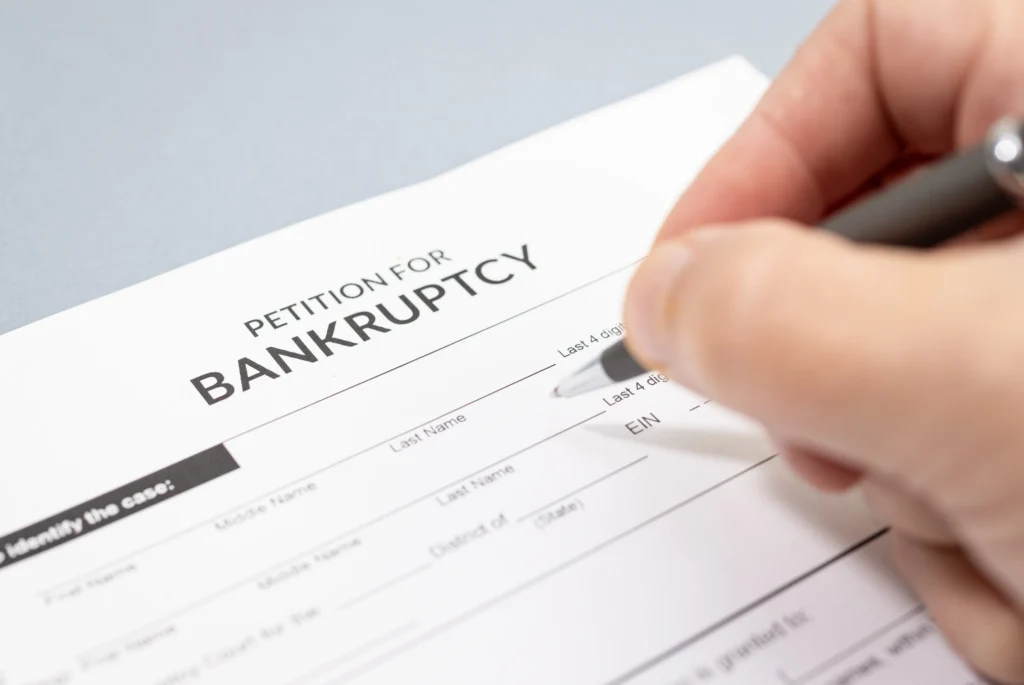
If your phone keeps ringing with collection calls, your mailbox is full of past-due notices, or you’re watching part of every paycheck disappear to a garnishment, you already know how heavy financial stress can feel. It can seem like there’s no way to make it stop. The good news is that federal law offers real, immediate relief. The moment you file for bankruptcy, a powerful protection called the automatic stay goes into effect. Our Greer bankruptcy attorney explains what the automatic stay in bankruptcy does, what it stops, and how it can give you room to breathe.
What is the Automatic Stay?
The automatic stay is a court order that automatically takes effect when the bankruptcy petition is filed. You don’t have to ask a judge for it or wait for a hearing. It happens on its own, which is where the name comes from. Think of it as a legal pause button that gives you space to deal with your debt in an orderly way instead of under constant pressure.
The stay arises under 11 U.S.C. § 362, which provides one of the fundamental debtor protections of the bankruptcy laws. In plain terms, it tells your creditors to stop. Once your case is filed in the U.S. Bankruptcy Court for the District of South Carolina, most creditors are legally required to halt their collection efforts against you, because the stay operates to stop all collection actions against the debtor and its property upon the filing of the petition.
Financial problems can happen to anyone, whether due to job loss, a medical emergency, a divorce, or bills that grow faster than income. The automatic stay exists to give honest individuals a chance to catch their breath and work toward a fresh start.
What the Automatic Stay Stops
The stay pauses nearly every form of debt collection. The automatic stay provides a period during which all judgments, collection activities, foreclosures, and repossessions of property are suspended and may not be pursued by creditors on any debt or claim that arose before the filing of the bankruptcy petition. Put simply, it stops collection efforts, harassment, and foreclosure actions that may have been keeping you up at night.
Collection calls and letters
As soon as your case is filed, the constant phone calls and letters are supposed to stop. Creditors and collection agencies can no longer contact you to demand payment. For many individuals, the quiet after months of relentless calls is the first real relief they’ve felt in a long time. That break alone can make it easier to think clearly about the road ahead.
Wage garnishment
If a creditor has a court order to take money straight from your paycheck, the automatic stay can stop that garnishment. Rather than hiring a wage garnishment lawyer to challenge each deduction one at a time, filing for bankruptcy addresses the underlying debt and halts the garnishment. That can mean bringing home a full paycheck again while your case moves forward.
Foreclosure on your home
People often ask, ” Can bankruptcy stop foreclosure?” In many cases, yes. The automatic stay halts foreclosure the moment your case is filed. Because South Carolina is a judicial foreclosure state, the process runs through the courts, and a stay can stop it from proceeding. A Chapter 13 case can go further by letting you catch up on missed mortgage payments over time through a repayment plan, which may help you keep your home.
Repossession and lawsuits
The stay also stops vehicle repossession and pauses most lawsuits against you. If a creditor has sued you or is threatening to, that action generally has to stop once your case is filed. In a Chapter 13 plan, you may be able to cure missed payments on a car loan, and Chapter 7 redemption may let you keep a vehicle by paying its current value.
If wage garnishment or the threat of foreclosure is weighing on you, you don’t have to sort it out alone. Hart Consumer Law can help you understand whether bankruptcy is the right step. Reach out for a confidential consultation.
How Long Does the Automatic Stay Last?
For most individuals, the automatic stay remains in effect for the duration of the bankruptcy case. In a Chapter 7 case, that’s usually a few months, until your qualifying debts are discharged. In a Chapter 13 case, the protection can last through the three to five years of your repayment plan.
There are situations where the stay is more limited. If you’ve had earlier bankruptcy cases dismissed not long before filing again, the stay may be shortened or may not take effect automatically. These rules can get complicated, which is one reason it helps to talk through your situation with an experienced attorney before you file.
Are There Limits and Exceptions?
The automatic stay is broad, but it isn’t unlimited. The filing of a petition, however, does not operate as a stay for certain types of actions listed under 11 U.S.C. § 362(b). Some matters aren’t stayed, such as criminal proceedings or proceedings against the debtor, and certain family law issues.
A creditor can also ask the court to lift the stay. Under specific circumstances, the secured creditor can obtain a court order granting relief from the automatic stay. For example, when the debtor has no equity in the property and the property is not necessary for an effective reorganization, the secured creditor can seek a court order lifting the stay to permit foreclosure and sale. The court then decides whether to grant that request.
The point to remember is that while the automatic stay gives you strong and immediate breathing room, it works best as part of a larger plan. It pairs with the longer-term tools of bankruptcy, such as the discharge that erases most qualifying debts and gives you a true fresh start.
Take the First Step Toward Peace of Mind
The weight of overwhelming debt can feel isolating, but you’re not alone, and you do have options. The automatic stay is a meaningful legal tool to help stop the calls, garnishments, and foreclosure pressure so you can focus on rebuilding.
Attorney Andrew Hart has more than 16 years of experience helping individuals and families in Greer and across the Upstate understand their choices and move toward a fresh start. Hart Consumer Law handles personal Chapter 7 and Chapter 13 bankruptcy with compassion, honesty, and respect for your privacy.
If creditors or garnishment are overwhelming you, you don’t have to face it alone. Contact Hart Consumer Law for a confidential consultation. Call (864) 574-0870.



 office@hartconsumerlaw.com
  107 Sunbelt Court Suite 3, Greer, SC 29650