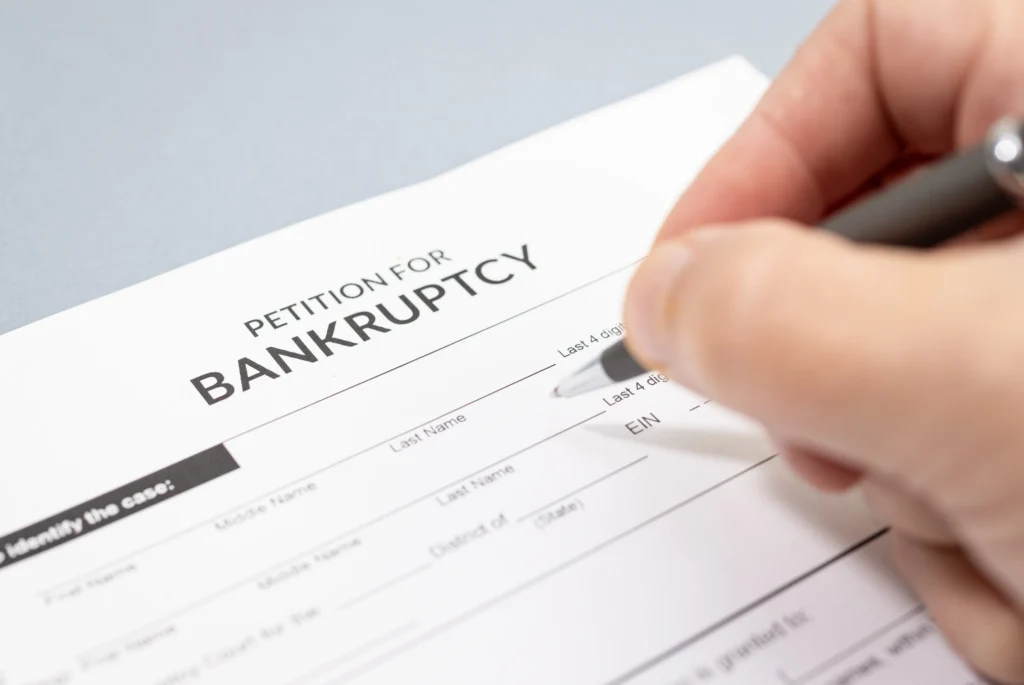
The short answer: Debt consolidation rolls several debts into one new loan or payment, while bankruptcy uses federal law to pause collection and erase or reorganize what you owe. Consolidation can work when your income is steady and your debt is manageable, but it won’t stop lawsuits, wage garnishment, or interest. For debt that has become overwhelming, Chapter 7 or Chapter 13 bankruptcy offers protections that consolidation and settlement cannot, including the automatic stay and a court-ordered discharge.
Choosing between debt consolidation and bankruptcy rarely feels straightforward. Facing your finances head-on takes real courage. It’s a normal step for anyone whose debt has grown faster than their paycheck. Money trouble reaches decent, hardworking people for all kinds of reasons, and there’s no single right answer here. The goal is to find what fits your situation.
In this article, our Greer bankruptcy lawyer discusses:
– How debt consolidation works.
– What debt settlement is and where it falls short.
– What bankruptcy offers that these alternatives cannot.
– How to decide which option fits your life.
How Does Debt Consolidation Work?
Debt consolidation combines several debts into one new loan or payment, ideally at a lower interest rate. Instead of juggling several bills with different due dates, you make one payment, which can feel simpler.
For some individuals, that’s enough. If your income is steady, your credit is still strong, and your total debt is manageable, consolidation can save money and help you pay things off faster.
The catch is that consolidation doesn’t reduce what you owe. It just moves it. Interest keeps accruing, and if your credit has already slipped, the new rate may not be much better than before. A consolidation loan also gives you no legal protection. If a creditor sues you or garnishes your wages, the loan does nothing to stop it.
What Is Debt Settlement, And Where Does It Fall Short?
Debt settlement is a program that tries to negotiate with your creditors to accept less than the full balance. These programs are heavily marketed by companies, sometimes by a debt settlement attorney, and often promise you’ll pay “pennies on the dollar.”
In practice, settlement carries real risks. Most programs ask you to stop paying creditors and set money aside in an account instead, a process that can take years. Meanwhile, interest and late fees keep adding up. Your credit suffers, and creditors can still sue you. Many individuals cannot keep up with the deposits, so the program fails partway through. Forgiven debt can also be taxed as income.
What Can Bankruptcy Do That Consolidation And Settlement Cannot?
Bankruptcy offers two things no consolidation loan or settlement program can match: an immediate, legally enforceable stop to collection and a court-ordered discharge of debt.
The first is the automatic stay. An automatic stay is a statutory injunction that immediately halts most collection activities by creditors once a debtor files a bankruptcy petition. The stay is called “automatic” because it goes into effect without a court order the moment the bankruptcy is filed. Under 11 U.S.C. § 362, it bars actions such as lawsuits, wage garnishments, and foreclosures, as well as other attempts to recover debts from the debtor or the debtor’s property. The calls and letters stop too.
The second is the discharge. A main purpose of bankruptcy is to discharge certain debts and give an honest debtor a “fresh start, ” so you’re no longer liable for what’s discharged. Creditors can no longer take any action to collect a discharged debt. That’s a court order, not a private promise a creditor could later walk back. Still, some debts remain, such as child support, certain taxes, and most student loans.
Chapter 7 bankruptcy
Chapter 7 can wipe out qualifying unsecured debts, such as credit cards and medical bills, often within a few months. South Carolina’s exemptions allow most individuals to keep everyday property, such as a home, a vehicle, and household goods.
Chapter 13 bankruptcy
Chapter 13 reorganizes your debt into one court-approved repayment plan that sets one fixed monthly payment to the bankruptcy trustee for three to five years. It’s often the right fit if you’ve fallen behind on a mortgage or car loan, since it lets you catch up on missed payments while the automatic stay holds off foreclosure or repossession.
If collectors are already calling or a lawsuit has landed, that can be a good time to talk things through with Hart Consumer Law.
So How Do You Decide Which Option Is Right For You?
There isn’t one answer that’s right for everyone. Consolidation may make sense if your debt is manageable and your income is stable. Bankruptcy tends to fit better when the debt is overwhelming, when creditors are suing or garnishing your wages, or when you’re trying to save your home.
The honest way to know is to look at the numbers with someone who does this every day. A confidential consultation is a no-pressure space to walk through your income, debts, and goals. We’ll go over costs clearly, too, so there are no surprises.
Frequently Asked Questions About Debt Consolidation Vs Bankruptcy
Is debt consolidation better than bankruptcy?
Neither is better in every case. Consolidation can work for manageable debt and steady income, while bankruptcy offers legal protection and relief that consolidation cannot when debt is overwhelming. The right choice depends on your numbers and goals.
Will bankruptcy stop wage garnishment and creditor lawsuits?
Yes. The moment you file, the automatic stay under 11 U.S.C. § 362 halts most collection, including wage garnishment, lawsuits, and foreclosure. Neither a consolidation loan nor a settlement program offers that protection.
What are the main alternatives to bankruptcy?
Common bankruptcy alternatives include consolidation loans, debt settlement programs, and negotiating directly with creditors. Each can help in the right situation, but none can stop a lawsuit or legally erase what you owe. It’s worth weighing the trade-offs before you choose.
Talk Through Your Options With Hart Consumer Law
There’s no need to navigate this by yourself, and you don’t need everything figured out before you reach out. Attorney Andrew Hart focuses his practice on helping individuals and families in Greer and across the Upstate understand their choices and move toward a fresh start.
If you’re weighing debt consolidation vs bankruptcy and want clear, judgment-free guidance, contact Hart Consumer Law for a confidential consultation. Our office is at 107 Sunbelt Court, Suite 3, Greer, SC 29650. Contact us at (864) 574-0870 to take the first step toward peace of mind.



 office@hartconsumerlaw.com
  107 Sunbelt Court Suite 3, Greer, SC 29650