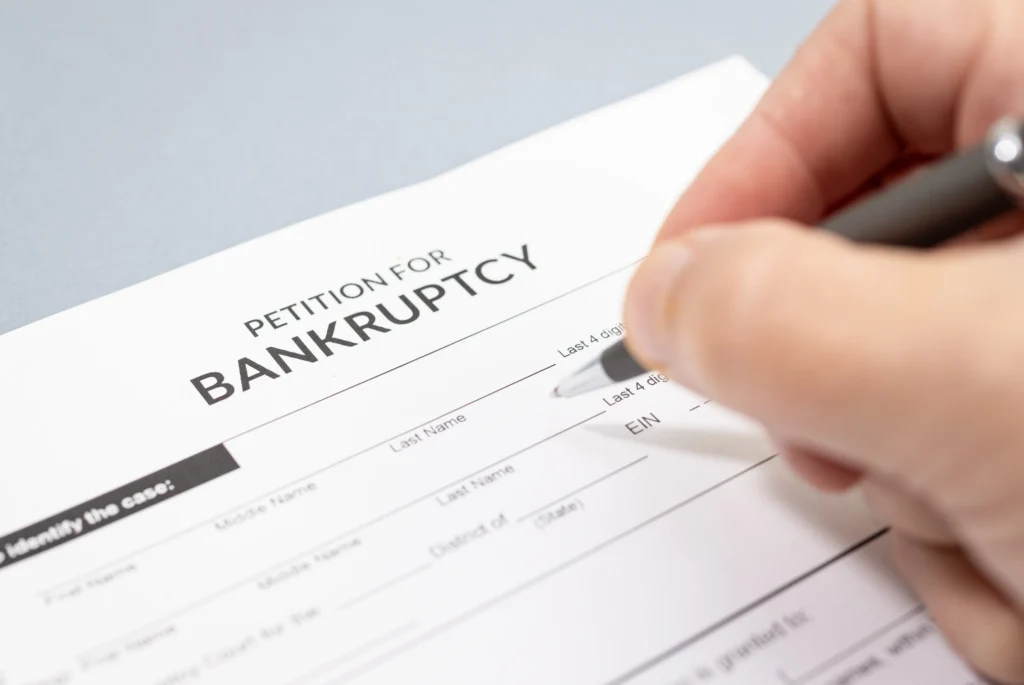
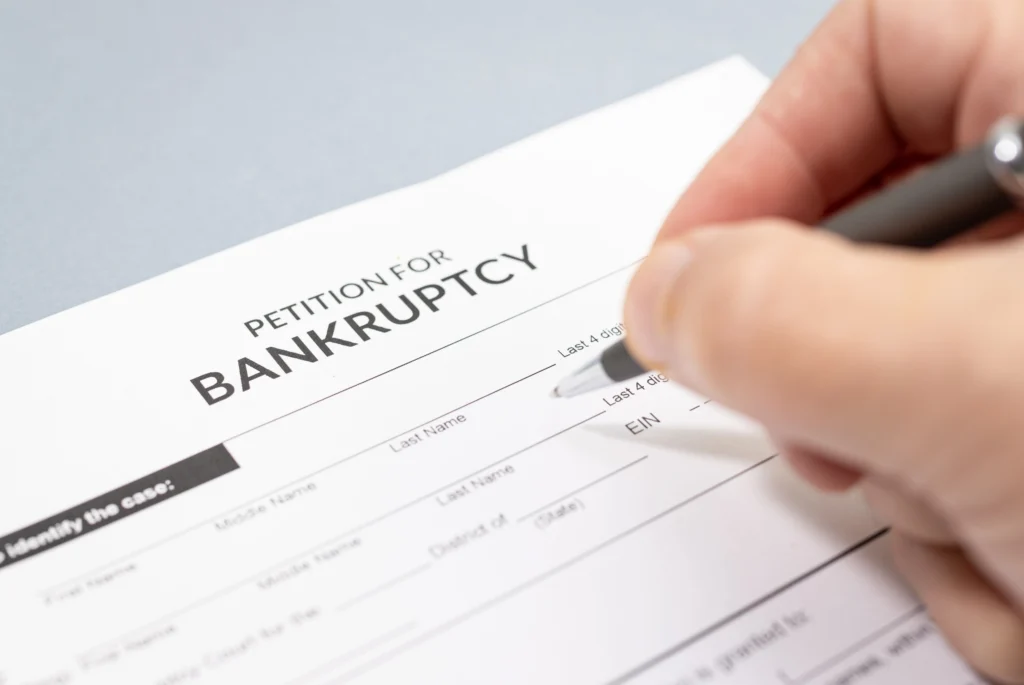
If you’re behind on your car payments and worried about losing your vehicle, you’re not alone. Financial hardship can happen to anyone, and falling behind doesn’t mean you’re out of options. For many individuals in Greer and throughout the Upstate, bankruptcy can be a powerful tool to stop a car repossession and get back on track. Attorney Andrew Hart has over 16 years of experience helping individuals and families navigate these situations with clear guidance and practical solutions.
Here’s what you need to know about car repossession in South Carolina and how bankruptcy can help protect your vehicle.
When Can a Lender Repossess Your Car in South Carolina?
In South Carolina, a lender can move to repossess your vehicle once you default on your loan, which typically means missing one or more payments. The specific terms of your loan agreement define what counts as a default, so it’s important to understand what you signed.
Under S.C. Code § 37-5-112, a creditor may take possession of collateral without judicial process (meaning without a court order) as long as it can be done without entering a dwelling used as a current residence and without the use of force or other breach of the peace. In practical terms, this means a repo company can come to your workplace parking lot or your driveway and take your car without warning, as long as they don’t break into your garage or create a confrontation.
This is what’s known as “self-help” repossession, and it can happen quickly. But even if you’re behind on payments, there are ways to stop it.
How the Automatic Stay Stops Repossession Immediately
One of the most important protections in bankruptcy law is the automatic stay. The automatic stay is a statutory injunction that immediately halts most collection activities by creditors once a debtor files a bankruptcy petition. It goes into effect without the need for a court order, the moment the bankruptcy is filed.
Under 11 U.S.C. § 362, the automatic stay suspends all judgments, collection activities, foreclosures, and repossessions of property on any debt or claim that arose before the filing of the bankruptcy petition. That includes your car loan.
The moment you file a Chapter 7 or Chapter 13 bankruptcy case, the lender must stop all repossession activity. If a repo company is preparing to take your car, the filing puts an immediate halt to the process. This breathing room gives you time to figure out your next steps.
If you’re concerned about losing your vehicle, reach out to Hart Consumer Law for a free, confidential consultation. Call (864) 574-0870 to discuss your situation.
Keeping Your Car Through Chapter 13 Bankruptcy
Chapter 13 bankruptcy is often the strongest option for individuals who want to keep their car and catch up on missed payments over time.
Catching up on missed payments over the plan
Under 11 U.S.C. § 1322(b), a Chapter 13 plan may cure or waive any default and provide for curing any default on any secured or unsecured claim. In plain terms, this means you can take the payments you’ve fallen behind on and spread them out over the life of your repayment plan (typically three to five years) while continuing to make your regular monthly car payments going forward.
Chapter 13 also gives you the ability to modify the rights of secured creditors in certain circumstances. Depending on your situation, this could mean reducing the interest rate on your car loan or, if you’ve had the loan long enough, reducing the total amount owed to the vehicle’s current value.
This structure lets you hold onto your car while working through your financial challenges at a manageable pace.
Keeping Your Car Through Chapter 7 Bankruptcy
Chapter 7 works differently from Chapter 13, but it still offers paths to keep your vehicle.
Redemption
Under 11 U.S.C. § 722, an individual debtor may redeem tangible personal property intended primarily for personal, family, or household use from a lien securing a dischargeable consumer debt by paying the holder of such lien the amount of the allowed secured claim in full at the time of redemption.
In simpler terms, if your car is worth less than what you owe on it, you can pay the lender a lump sum equal to the car’s current market value and keep it free and clear. For example, if you owe $12, 000 on a car now worth $7, 000, you could pay $7, 000 to keep the car. The remaining balance is discharged with your other debts.
The challenge is that this requires a lump-sum payment, which isn’t always feasible. But for those who can access the funds (sometimes through special redemption lenders), it can be a smart option.
Reaffirmation
Another option in Chapter 7 is reaffirmation. This means you enter into a new agreement with the lender to continue paying the original loan terms even after your bankruptcy discharge. You keep making payments, you keep the car.
Reaffirmation keeps the debt alive, so it’s a decision that should be made carefully with guidance from an attorney who understands your full financial picture.
What if Your Car has Already Been Repossessed?
If your car has already been taken, bankruptcy may still help, but timing is critical. In some cases, filing a bankruptcy petition shortly after repossession can trigger the automatic stay and may require the lender to return the vehicle. However, this depends on the specific circumstances, including whether the car has already been sold.
This is one of those situations where speaking with an attorney as soon as possible matters. The sooner you understand your options, the more options you’re likely to have.
Contact Hart Consumer Law at (864) 574-0870 for a free, confidential consultation to discuss your situation.
What Happens to the Leftover Debt After Repossession?
When a vehicle is repossessed and sold, the sale price often doesn’t cover the full balance of your loan. The difference between what you owed and what the car sold for is called a deficiency balance, and in South Carolina, lenders can pursue you for this amount.
This means you could lose your car and still owe thousands of dollars. It’s a frustrating situation, but bankruptcy can address it.
In a Chapter 7 case, the deficiency balance is typically discharged along with your other qualifying unsecured debts, giving you a clean slate. In a Chapter 13 case, the deficiency balance is rolled into your repayment plan and treated as an unsecured debt, which often means you pay only a portion of it (or sometimes none at all) depending on your plan terms.
Take the First Step Toward Protecting What Matters
Facing the possibility of losing your car is stressful, especially when you’re already dealing with financial pressure. But financial hardship can happen to anyone, and bankruptcy exists as a legal tool to help you regain control and move toward a fresh start.
Attorney Andrew Hart has spent over 16 years helping individuals and families in Greer and across the Upstate of South Carolina navigate these challenges with dignity and clear guidance. You don’t have to figure this out on your own.
Call (864) 574-0870 or reach out to Hart Consumer Law at 107 Sunbelt Court, Suite 3, Greer, SC 29650 for a free confidential consultation. There are options. Let’s talk about them.



 office@hartconsumerlaw.com
  107 Sunbelt Court Suite 3, Greer, SC 29650