That buzzing phone. The unknown numbers. The voicemails you dread listening to. When debt collectors have your number, every ring becomes a source of anxiety. Constant collection calls, threatening letters, and the looming possibility of lawsuits or wage garnishment can make each day feel like a crisis. It’s exhausting, and it can feel like there’s no escape.
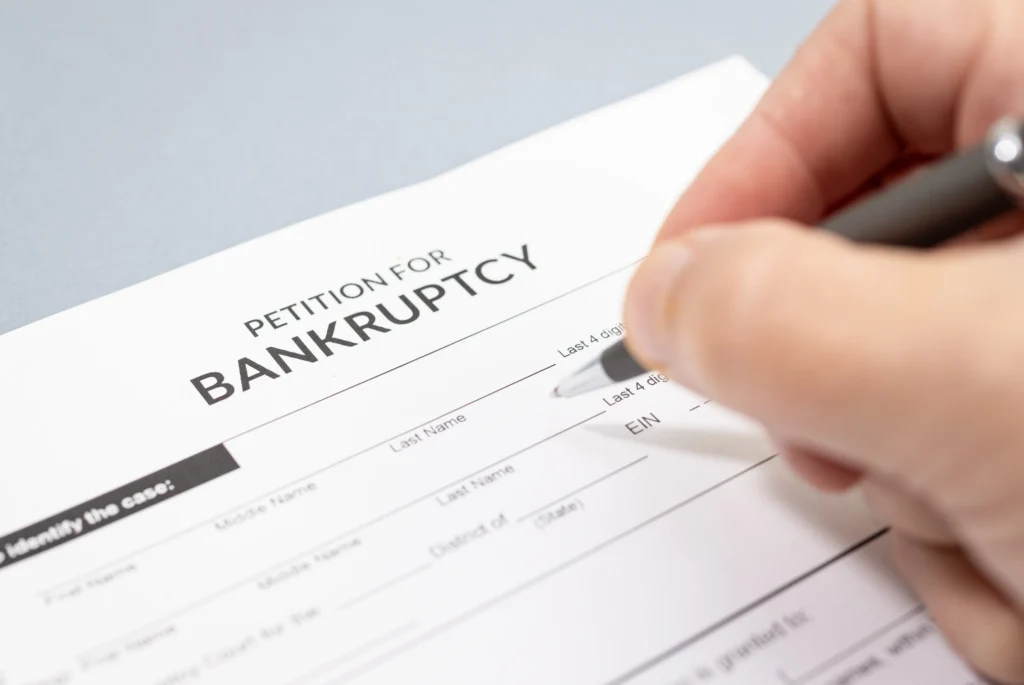
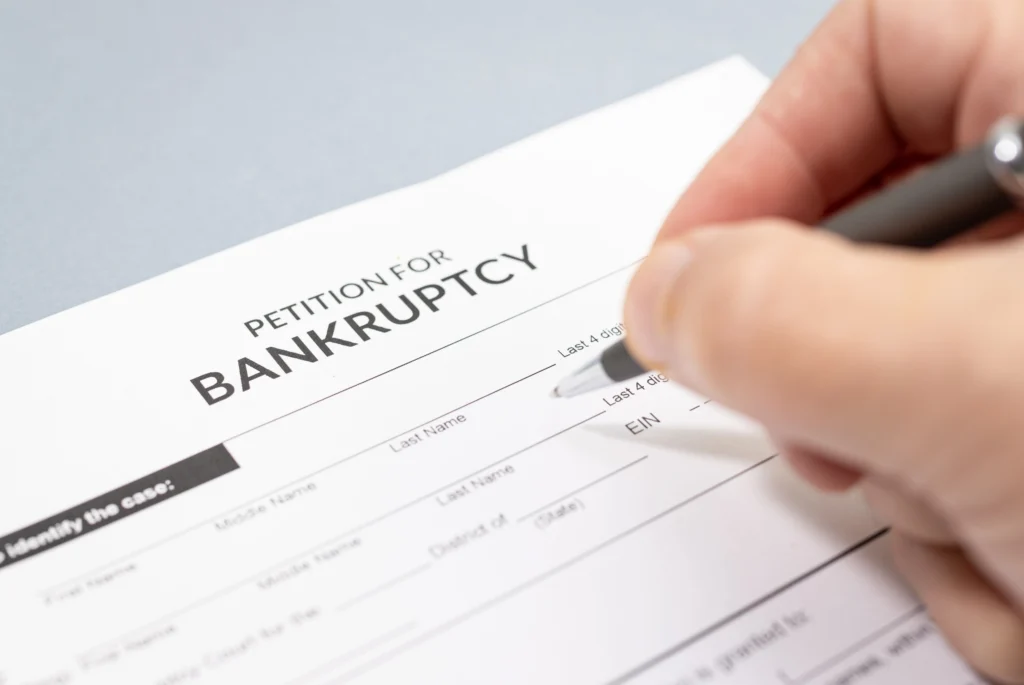
But there is a way out. Filing for bankruptcy triggers an immediate legal protection called the automatic stay, and it can silence those calls the moment your case is filed. For many South Carolina residents dealing with overwhelming debt, bankruptcy isn’t just a way to address collection harassment. It’s the path to a genuine fresh start.
When Collection Calls Take Over Your Life
Nobody plans to fall behind on their bills. A job loss, a medical emergency, a divorce, or an unexpected life event can turn manageable obligations into an avalanche of debt. And once you fall behind, the collection machine starts.
The calls come early in the morning and late at night. Letters pile up. Creditors threaten lawsuits. Some follow through, and suddenly you’re facing a judgment or wage garnishment that makes an already difficult situation feel impossible. It’s not just stressful, it’s relentless.
Many people try to handle collectors one at a time, negotiating individual debts or disputing specific calls. But when the root problem is the debt itself, dealing with collectors individually is like bailing water out of a sinking boat. Bankruptcy addresses the hole in the hull.
The Automatic Stay: How Bankruptcy Stops Debt Collector Calls Immediately
The automatic stay stands as one of the most powerful debtor protections in federal bankruptcy law. When a bankruptcy petition is filed, 11 U.S.C. § 362 activates a statutory injunction that brings an immediate stop to most creditor collection efforts.
That means the moment your bankruptcy case is filed with the U.S. Bankruptcy Court for the District of South Carolina, creditors are legally required to stop:
– Calling you.
– Sending collection letters.
– Filing or continuing lawsuits against you.
– Garnishing your wages.
– Repossessing property.
– Pursuing other collection actions.
The protection is called “automatic” for good reason: it takes effect instantly upon filing, with no separate motion or judicial approval required. You don’t have to ask for it or wait for a judge’s signature; it’s immediate.
For someone who’s been fielding daily collection calls, the relief can feel life-changing. Your phone goes quiet, the letters stop, and you finally have room to breathe.
Tired of collection calls controlling your day? Attorney Andrew Hart can help you understand whether bankruptcy is the right step. Call (864) 574-0870 for a free, confidential consultation, just straightforward guidance on your options.
What the Automatic Stay Covers (And What it Doesn’t)
The automatic stay is broad, but it isn’t unlimited. Understanding what it covers helps you know exactly what to expect.
What the stay stops
Under the stay, creditors must cease pursuing judgments, collection efforts, foreclosure proceedings, and property repossession tied to any debt or claim originating before the bankruptcy filing date. This includes credit card collectors, medical debt collectors, personal loan servicers, and anyone else trying to collect on pre-filing debts.
If a creditor has already filed a lawsuit against you, that lawsuit is paused. If your wages are being garnished, the garnishment stops. If a creditor is threatening to repossess your car or other property, that action is halted, too.
What the stay doesn’t cover
The filing of a petition does not operate as a stay of the commencement or continuation of a criminal action or proceeding against the debtor. Domestic support obligations, such as child support and alimony, also continue. Certain tax proceedings and other narrow exceptions exist as well.
For most people dealing with consumer debt, these exceptions won’t apply. The vast majority of the calls, letters, and collection actions you’re dealing with will stop.
What Happens if a Collector Violates the Stay
Once your bankruptcy is filed, creditors are notified and legally required to stop all collection activity. But sometimes a collector doesn’t receive the message, or chooses to ignore it.
A stay violation might look like a collector calling you after your case has been filed, continuing to send letters demanding payment, or proceeding with a lawsuit they should have paused.
If this happens, the most important thing to do is document the contact and notify your bankruptcy attorney right away. Your attorney can then contact the creditor directly and, if needed, notify the court. Under 11 U.S.C. § 362(k), an individual injured by any willful violation of the stay may recover actual damages, including costs and attorneys’ fees.
The key takeaway: the stay matters. Creditors who violate it face real consequences, and your attorney can handle the response for you.
The Permanent Fix: Discharge
The automatic stay provides immediate relief, but it’s temporary. It lasts while your bankruptcy case is active. The permanent solution is the bankruptcy discharge.
The discharge injunction gives complete effect to the discharge and eliminates any doubt concerning its role as a total prohibition on debt collection efforts. Under 11 U.S.C. § 524, once your debts are discharged, creditors are permanently barred from attempting to collect them. No more calls, no more letters, no more lawsuits.
How you receive a discharge depends on the type of bankruptcy you file.
Chapter 7 generally eliminates most unsecured consumer debts, such as credit cards, medical bills, and personal loans, in a matter of months. If you qualify, it’s often the fastest path to a clean slate.
Chapter 13 allows you to restructure your debts into a manageable repayment plan over three to five years. You pay back what you can afford, and qualifying remaining balances are discharged at the end of the plan. This option is especially helpful if you’re behind on a mortgage or car payment and want to catch up while keeping your property.
Both paths lead to the same destination: a fresh financial start, free from the debts that were generating those collection calls in the first place.
Is Bankruptcy the Right Option for You?
Bankruptcy makes sense for many people, but it’s not the right fit for every situation. It tends to be a strong option when you’re dealing with debts you realistically cannot repay, when collection activity is affecting your daily life, or when you’re facing lawsuits or garnishments you cannot resolve on your own.
It might not be the best path if your debts are small and manageable, if most of your debt falls into categories that cannot be discharged, such as recent tax obligations or student loans, in many cases, or if there’s a simpler solution available.
The truth is, there’s no way to know without looking at your specific situation. That’s what a consultation is for. Attorney Andrew Hart has spent more than 16 years guiding individuals and families in Greer and across the Upstate region of South Carolina through these decisions. He’ll review your situation, explain your options clearly, and help you decide whether bankruptcy is the right tool for your fresh start.
Tough financial seasons don’t define who you are. There’s no shame in exploring your options, and there’s real power in taking that first step.
Take the First Step Toward Peace of Mind
You don’t have to keep living with the stress of constant collection calls. Bankruptcy can stop them immediately and eliminate the underlying debts for good. You deserve to move forward.
The path to relief starts with a single conversation. Contact Hart Consumer Law for a free, confidential consultation. Call (864) 574-0870 or reach out online. Attorney Andrew Hart is here to listen, explain your options, and help you find a clear path forward.
Hart Consumer Law, 107 Sunbelt Court, Suite 3, Greer, SC 29650. Serving Greer and the Upstate region of South Carolina. Fighting for you when it matters most. Contact us today!



 office@hartconsumerlaw.com
  107 Sunbelt Court Suite 3, Greer, SC 29650