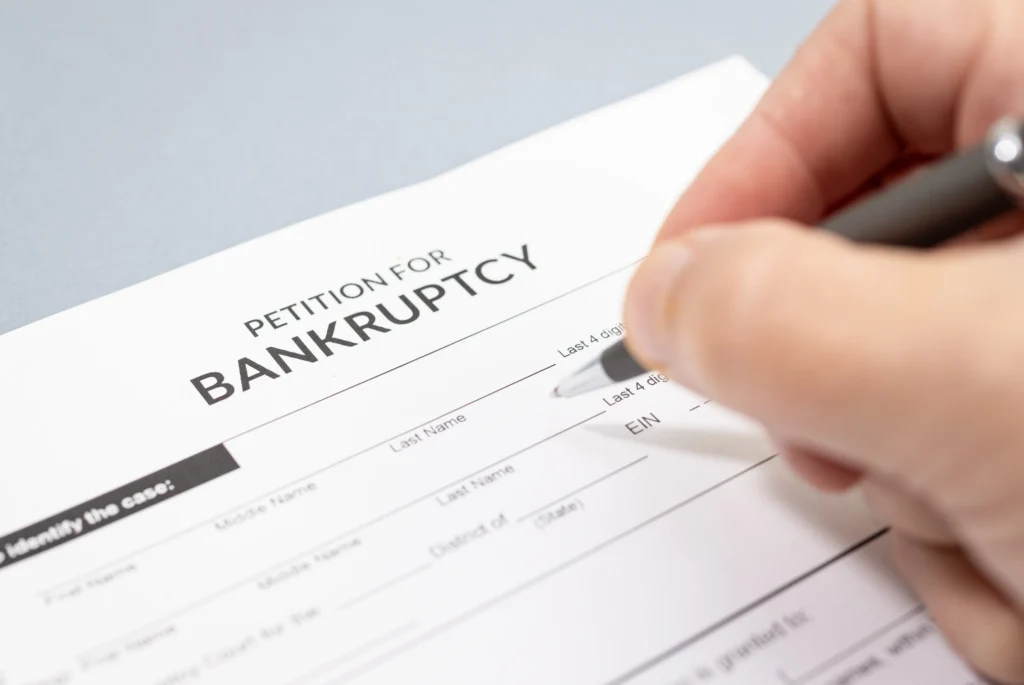
Yes. Filing for bankruptcy triggers an automatic stay under 11 U.S.C. § 362 that immediately halts a scheduled foreclosure sale the moment your case is filed. What happens next depends on the chapter you choose. Chapter 13 can give you a way to catch up on missed mortgage payments and keep your home, while Chapter 7 usually delays a foreclosure rather than stopping it for good. Bankruptcy works best when you can afford your mortgage going forward.
Few things feel as frightening as opening a notice about a foreclosure sale on your home. If you’ve fallen behind on your mortgage in Greer or anywhere in the Upstate, please know that financial hardship can happen to anyone, and you still have options. Here’s an honest look at what bankruptcy can and cannot do for a home in South Carolina.
In this article, we discuss:
– How the automatic stay stops a foreclosure
– Whether Chapter 13 can help you keep your home
– What Chapter 7 does about foreclosure
– How South Carolina’s foreclosure process and timeline work
– How state exemptions protect your home equity
Can Filing for Bankruptcy Stop a Foreclosure in South Carolina?
Yes. The moment you file, federal law puts an automatic stay in place that stops most collection activity, including a pending foreclosure sale. The automatic stay is a statutory injunction that immediately halts most collection activities once a debtor files for bankruptcy. It goes into effect without a court order the moment the bankruptcy is filed. It temporarily bars actions, such as lawsuits, wage garnishments, and foreclosure proceedings. In fact, this part of the law was written to address mortgage foreclosures where a bankruptcy petition is filed on the eve of a foreclosure sale. The stay gives you breathing room, but it doesn’t erase the mortgage, and a secured lender can seek relief from the stay in court. What you do next matters.
Does Chapter 13 Bankruptcy Stop Foreclosure and Help You Keep Your Home?
Chapter 13 is usually the meaningful path for keeping a home. It stops the foreclosure through the automatic stay and provides a structured way to catch up. Chapter 13 is generally suited to individuals facing past-due mortgage payments, allowing up to five years to catch up. Through your repayment plan, you pay your regular monthly mortgage going forward while paying down the past-due balance (the arrears) a little at a time. As long as you keep up with the plan and your ongoing payments, you can work through the process and hold onto your home. This approach tends to fit when you have a steady income and the missed payments, not the mortgage itself, are the real problem.
Worried about losing your home? You have options, and you don’t have to face this alone. Contact Hart Consumer Law for a confidential consultation. Call (864) 574-0870.
What Does Chapter 7 Bankruptcy Do About a Foreclosure?
Chapter 7 generally delays a foreclosure rather than preventing it. The automatic stay still stops a scheduled sale when you file, and Chapter 7 discharges unsecured debts in as little as six months, which may free up money for your mortgage. But Chapter 7 doesn’t include a built-in way to cure past-due payments. Once the case ends or the lender obtains relief from the stay, the foreclosure can move forward if you’re still behind. For some homeowners, clearing other debts makes the mortgage affordable again. For others, it simply buys time. Attorney Andrew Hart can help you determine which chapter fits your situation.
How Does the Foreclosure Process and Timeline Work in South Carolina?
South Carolina follows a judicial foreclosure procedure, which means a lender must go through the courts before it can sell your home. An action is commenced by the filing of a Notice of Lis Pendens, which effectively cuts off any subsequent lien filings. A Summons and Complaint must be filed within 20 days of that notice. After you’re served, you have 30 days to file responsive pleadings to the Summons and Complaint. If you do not respond within the required time, a default judgment will be entered in favor of the lender, and it can proceed with the foreclosure sale. When the time for answering has expired, the Plaintiff attempts to have the case referred to the permanent non-jury judge in the county in question (known as the Master-in Equity) or, if there is no permanent judge, to a special referee appointed by the Court. Because everything runs through a judge, you generally have more time and more chances to respond than homeowners in states that allow foreclosure without court involvement.
How do South Carolina’s Exemptions Protect Your Home Equity?
South Carolina’s homestead exemption protects a portion of the equity in your primary residence. The debtor’s aggregate interest cannot exceed $50,000 in value, in real property or personal property that the debtor or their dependent uses as a residence, and the aggregate value of multiple homestead exemptions for a single home may not exceed $100, 000. Beginning on July 1, 2008, and each even-numbered year thereafter, each dollar amount in subsection (A), items (1) through (14), immediately before July first, must be adjusted to reflect the change in the Southeastern Consumer Price Index. In recent years, the adjusted homestead figure has been above $60, 000 for single bankruptcy filers. This matters because South Carolina doesn’t allow debtors to use federal exemptions. Protecting the equity you’ve built is one reason many homeowners can keep their homes in bankruptcy. Because the exact figure changes, it’s worth confirming the current amount for your case.
Frequently Asked Questions About Bankruptcy and Foreclosure in South Carolina
How quickly does bankruptcy stop a foreclosure sale?
Immediately. The automatic stay goes into effect without a court order the moment the bankruptcy is filed. If a sale is already scheduled, filing before the sale date is what stops it, so timing is important.
Is bankruptcy a permanent fix for foreclosure?
Not by itself. Bankruptcy stops the sale and, in Chapter 13, gives you time to catch up. It cannot make a mortgage affordable if the monthly payment is simply out of reach going forward. An honest look at your budget is part of deciding whether it’s the right tool for you.
Will I lose my home if I file for bankruptcy in South Carolina?
Not necessarily. Many homeowners keep their homes, especially in Chapter 13, and the state’s homestead exemption is designed to protect home equity. The outcome depends on your income, your equity, and how far behind you are.
How much does it cost to talk with a bankruptcy attorney?
Hart Consumer Law offers a confidential consultation to talk through your situation and your options. It’s a calm, no-pressure conversation about what may be possible for you and your home.
Talk with Hart Consumer Law About Your Options
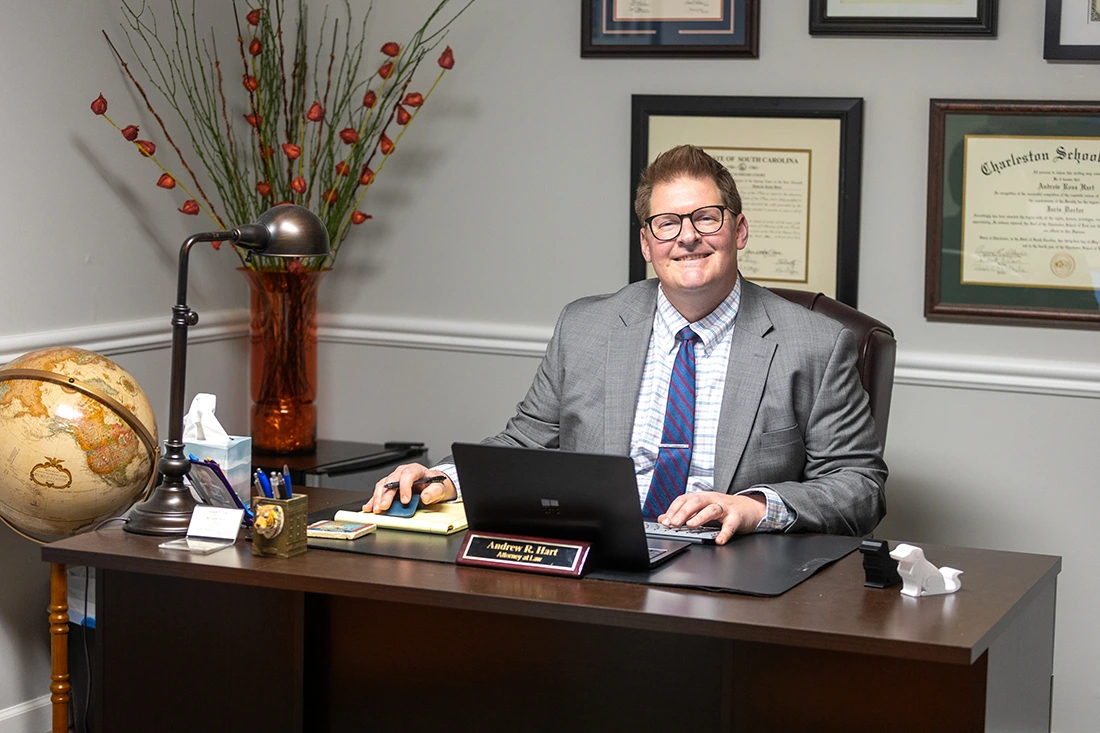
Losing a home is one of the most stressful things a family can face, and you deserve clear, honest guidance. With more than 16 years of experience helping South Carolina families, Attorney Andrew Hart can explain whether the automatic stay, Chapter 13, or Chapter 7 fits your circumstances, and what a fresh start could look like for you.
You don’t have to face this alone. Contact Hart Consumer Law in Greer for a confidential consultation. Call (864) 574-0870. There when it matters most.


 office@hartconsumerlaw.com
  107 Sunbelt Court Suite 3, Greer, SC 29650