Dealing with debt collectors can feel like the walls are closing in. The constant calls, the threatening letters, the fear that a lawsuit could land on your doorstep at any moment. Hart Consumer Law helps South Carolina residents who are overwhelmed by debt collection pressure find a way forward and reclaim peace of mind.
If you are struggling with aggressive debt collectors, contact our firm to schedule an appointment with a Greer debt collection defense attorney who will protect your rights, challenge unfair practices, and help you take back control of your financial future.
Why Clients Trust Hart Consumer Law
Hart Consumer Law brings a thorough command of both state and federal consumer protection laws to every case, which means we know exactly where to look for violations and how to hold collectors accountable. We help clients facing debt collection issues in the following ways:
- Defense against debt collection lawsuits
- Identification of FDCPA and state law violations
- Debt negotiation and settlement
- Bankruptcy counseling and filing
- Protection from harassment and abuse
No one should have to face a debt collector alone, especially when the collector may be breaking the law. Hart Consumer Law stands with consumers in Greer and throughout South Carolina to make sure their voices are heard.
When Should You Seek Debt Relief?
Many people wait too long to get help because they believe they can handle it on their own or hope the problem will disappear. Recognizing when it is time to act can save you from far worse consequences down the road:
- You are receiving multiple calls per day from collectors
- A creditor has filed a lawsuit against you
- Wages are being garnished, or your bank account has been frozen
- You cannot keep up with the minimum payments
- You are considering using one debt to pay another
Legal Protections in South Carolina
South Carolina law and federal statutes provide real safeguards for people dealing with debt collection. You have more rights than most collectors want you to believe, and knowing those rights is your first line of defense.
Response Deadline
When a debt collector files a lawsuit against you in South Carolina, you typically have 30 days to file an answer with the court. Missing that deadline can lead to a default judgment, which gives the collector the power to pursue garnishment and other collection actions against you.
Harassment Protection
The Fair Debt Collection Practices Act (FDCPA), 15 U.S.C. § 1692, sets firm boundaries on what third-party debt collectors can and cannot do when they contact you. Collectors who cross these lines can face legal consequences:
- Calling before 8:00 a.m. or after 9:00 p.m.
- Using threats of violence or criminal prosecution
- Contacting you at work after being told to stop
- Misrepresenting the amount owed
- Discussing your debt with unauthorized third parties
If a collector has engaged in any of these behaviors, you may have grounds for a claim that could result in damages. Hart Consumer Law reviews the full history of collector contact to build the strongest possible case.
“7-in-7 Rule”
Under the FDCPA’s updated regulations, a debt collector cannot call you more than seven times within seven days regarding a particular debt. Once you have spoken with the collector about that debt, they must wait at least 7 days before calling again. Violations of this rule are actionable, and collectors who ignore it may owe you statutory damages.
Debt Collection Defense Options
Facing a debt collection action does not mean you are out of options. Several defense strategies may apply to your situation, depending on the type of debt, who is collecting, and how they have handled the process.
Debt Negotiation and Settlement
In many cases, collectors will accept less than the full balance owed to resolve a debt without further litigation. Hart Consumer Law can negotiate on your behalf and push for terms that are realistic for your financial situation. Settlement may involve:
- A lump-sum payment for a reduced amount
- A structured payment plan
- Removal of negative credit reporting
- A written agreement releasing you from further liability
Lawsuit Defense
If you have been served with a lawsuit in Greenville County or through the Greer area magistrate courts, there are real defenses that we can raise on your behalf. Even if you recognize the company suing you, or you know you had some account with them, that does not mean you have no defense. Common defenses in debt collection cases include:
- The statute of limitations has expired under S.C. Code § 15-3-530
- The collector cannot prove ownership of the debt
- The amount claimed is inaccurate
- Improper service of the lawsuit
- Breach of the original contract terms
Bankruptcy
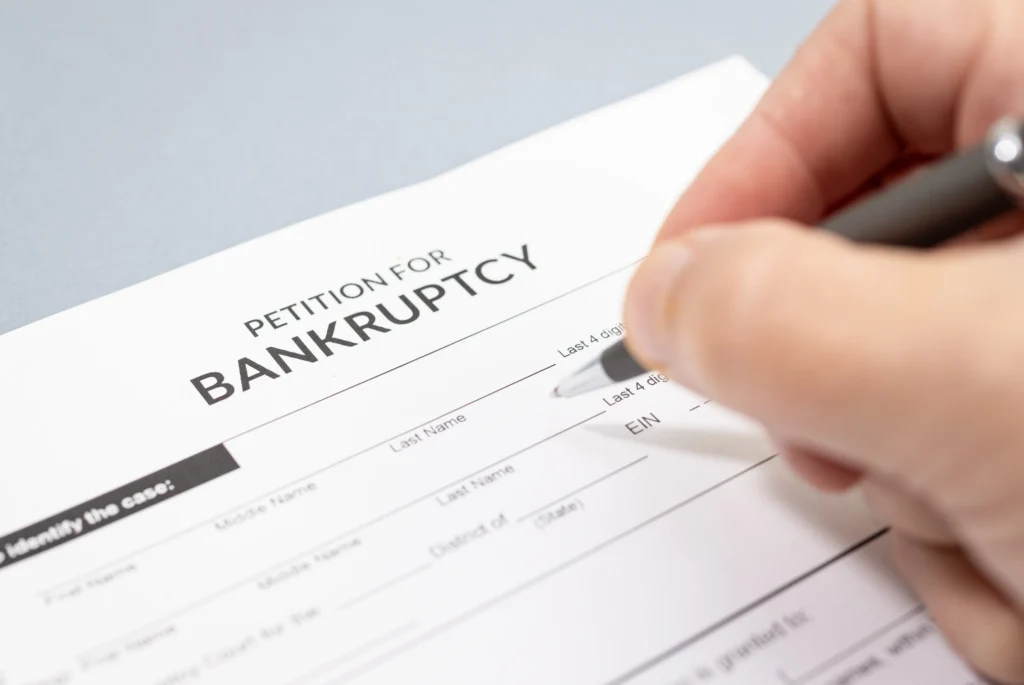
For some consumers, the most effective path forward is to file for bankruptcy. Filing triggers an automatic stay that immediately stops collection calls, lawsuits, garnishments, and other creditor actions. After determining the right chapter depends on your income, debts, and goals, Hart Consumer Law files with the U.S. Bankruptcy Court for the District of South Carolina:
- Chapter 7 bankruptcy: Eliminates most unsecured debts, such as credit cards and medical bills, within a few months. It works best for individuals with limited income who qualify under the means test.
- Chapter 13 bankruptcy: Creates a court-supervised repayment plan lasting three to five years, allowing you to catch up on secured debts like mortgages while discharging qualifying unsecured debts at the end of the plan.
Trust Our Qualified Greer Debt Collection Defense Lawyer to Protect You
Debt problems do not get better with time, and collectors count on you feeling so overwhelmed that you give up fighting back. Every day without legal representation is another day a collector can call, file motions, or push toward a judgment against you. Do not give them that advantage.
Contact Hart Consumer Law today to schedule a consultation with a Greer debt collection defense attorney who will review your situation, identify every available defense, and put together a strategy designed to protect your rights, your finances, and your future.



 office@hartconsumerlaw.com
  107 Sunbelt Court Suite 3, Greer, SC 29650