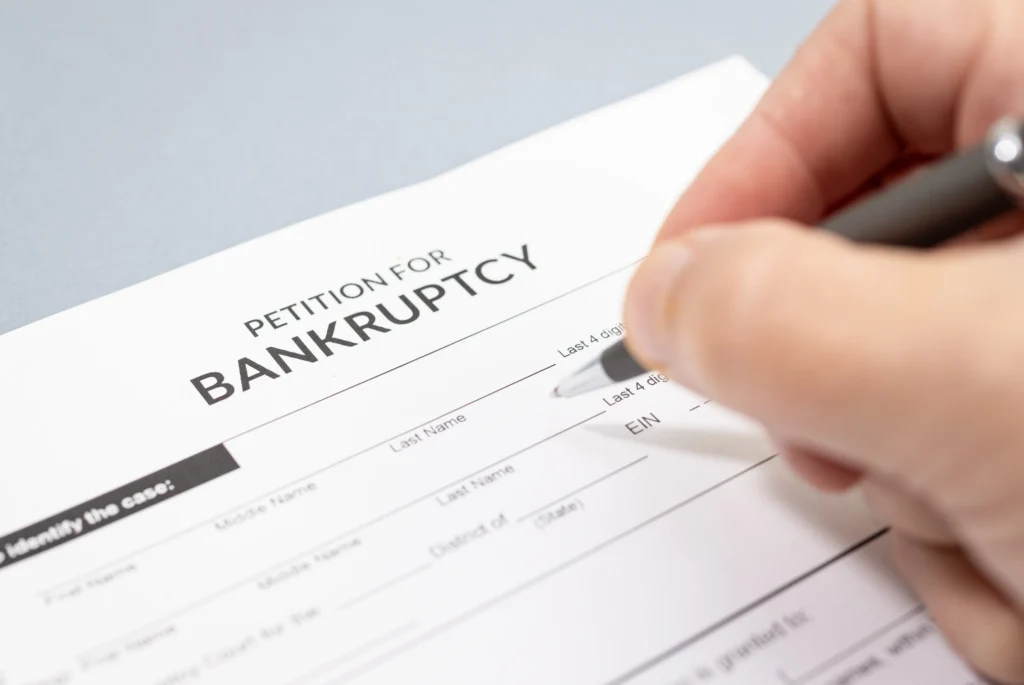
A Greer bankruptcy attorney provides legal representation to individuals and families overwhelmed by debt, helping them find relief through Chapter 7 and Chapter 13 bankruptcy filings. When creditors are calling, wages are being garnished, and foreclosure feels inevitable, bankruptcy offers a legal path toward financial stability. The right legal guidance can mean the difference between losing everything and getting a real fresh start.
If you are struggling with debt and need answers, contact Hart Consumer Law to schedule an appointment with an experienced Greer bankruptcy attorney who will take the time to understand your situation and explain the options available to you.
Why Choose Hart Consumer Law?
Hart Consumer Law is a debt relief agency representing consumers exclusively in Chapter 7 and Chapter 13 bankruptcy proceedings. Attorney Andrew Hart built the firm around a simple principle: people in financial distress deserve compassionate, honest legal representation from someone who fights only for consumers, never for banks or collection agencies.
When Is Bankruptcy Right for You?
Bankruptcy is not a last resort reserved for the worst-case scenario. It is a legal tool that Congress created specifically to give honest people a way out of unmanageable debt. If you find yourself in any of the following situations, it may be time to consider filing:
- You are using credit cards to pay for necessities like groceries and utilities
- Creditors have filed lawsuits or obtained judgments against you
- Your wages are being garnished
- You are falling behind on your mortgage or car payment
- Debt collectors are calling your home and workplace daily
- You owe more in medical bills than you can realistically repay
Mitigating Risks With a Greer Bankruptcy Attorney
Filing for bankruptcy without proper legal guidance can create entirely avoidable problems. People who attempt to handle the process on their own or delay getting help often make mistakes that hurt their case. Some of the most common errors include:
- Transferring property to friends or family members before filing
- Paying back family members or favored creditors ahead of others
- Running up new credit card charges shortly before filing
- Failing to disclose all assets, income, or debts on bankruptcy schedules
- Missing filing deadlines or court appearances
- Choosing the wrong chapter of bankruptcy for your situation
What Is an Automatic Stay?
The moment you file for bankruptcy, whether Chapter 7 or Chapter 13, an automatic stay goes into effect under 11 U.S.C. § 362. The stay acts as a powerful legal shield that immediately stops most creditor actions against you, including:
- Foreclosure proceedings
- Wage garnishments
- Creditor lawsuits
- Repossession attempts
- Harassing phone calls from debt collectors
- Utility disconnections
Exemptions in South Carolina
South Carolina law outlines specific bankruptcy exemptions that determine which assets you can shield from creditors. Selecting the proper exemptions is critical to protecting your property and maximizing the benefits of your filing:
- Homestead Exemption: Protects qualifying equity in your primary residence.
- Vehicle Exemption: Shields a portion of equity in a car, truck, or other motor vehicle.
- Personal Property Exemptions: Cover essential household goods, clothing, and appliances.
- Wildcard Exemption: Provides flexible protection for various assets.
- Retirement Account Exemptions: Safeguard funds in qualified retirement accounts such as 401(k)s and IRAs.
Filing for Chapter 7 Bankruptcy
Chapter 7, also known as liquidation or straight bankruptcy, provides the fastest path to debt relief for individuals who qualify. A bankruptcy trustee reviews your assets and may sell non-exempt property to repay creditors. However, many filers keep everything they own thanks to South Carolina’s exemption laws. Most Chapter 7 cases conclude within roughly 90 to 120 days.
Eligibility
To file for Chapter 7, you must pass the means test, which compares your household income to the South Carolina median. If your income falls below the threshold, you generally qualify:
- Your income must fall at or below the state median for your household size
- If your income exceeds the median, a detailed calculation of allowable expenses may still qualify you
- You must not have received a Chapter 7 discharge within the past eight years
- You must complete a credit counseling course from an approved provider before filing
What Can Be Discharged
Chapter 7 eliminates many common types of unsecured debt, giving filers the clean start they need. Not every obligation qualifies for discharge, so it is important to know what can and cannot be wiped out:
- Credit card balances
- Medical bills
- Personal loans
- Past-due utility bills
- Certain older tax debts
- Deficiency balances from repossessions or foreclosures
Filing for Chapter 13 Bankruptcy
Chapter 13 works very differently from liquidation or straight bankruptcy. Instead of eliminating debts all at once, it restructures them into a court-approved repayment plan lasting three to five years. Filers make a single monthly payment to the Chapter 13 trustee, who distributes funds to creditors according to the plan. Chapter 13 is particularly valuable for people who want to catch up on a mortgage or car loan while keeping their property.
Eligibility
Chapter 13 has its own set of requirements, and not everyone qualifies. You must have a regular income, and your debts must fall within certain limits:
- You must have a steady source of income sufficient to fund a repayment plan
- Secured debts must be below the current federal limit
- Unsecured debts must also fall under the applicable federal cap
- You must be current on tax filings for the most recent four years
- You must complete credit counseling before filing
Benefits of a Chapter 13 Bankruptcy
Chapter 13 offers unique advantages that Chapter 7 cannot match, especially for homeowners and people with secured debts. Many filers choose Chapter 13 specifically because it allows them to catch up on obligations while stopping collection efforts:
- Stop a foreclosure and cure mortgage arrears over the life of the plan
- Prevent vehicle repossession and restructure car loan terms
- Halt wage garnishments immediately on filing
- Catch up on past-due child support or alimony obligations
- Consolidate debts into a single manageable monthly payment
- Protect co-signers from creditor collection activity
- Seek a mortgage modification for reduced interest rates and payments
Consult a Greer Bankruptcy Attorney
Financial stress does not have to define your future, and you do not have to face it alone. Get in touch with Hart Consumer Law today to schedule a consultation with a Greer bankruptcy lawyer who will review your financial situation, walk you through the bankruptcy process step by step, and help you take control of your finances so you can move forward with confidence and peace of mind.



 office@hartconsumerlaw.com
  107 Sunbelt Court Suite 3, Greer, SC 29650