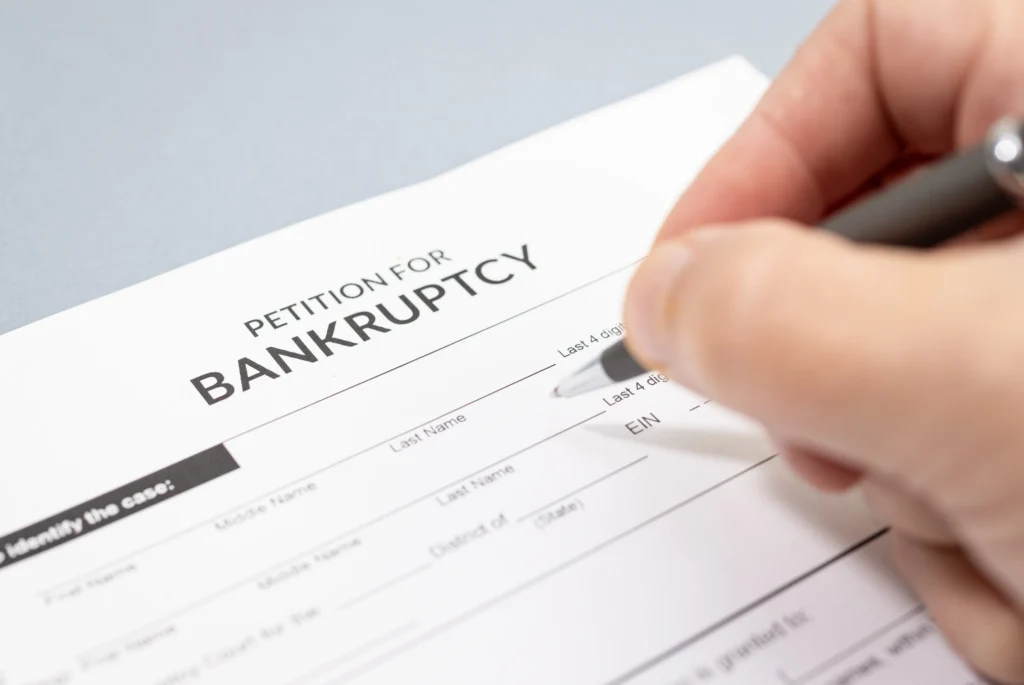
One of the most common questions we hear in South Carolina is “what is chapter 7 bankruptcy?” The bankruptcy process itself is extremely complex, but explaining what a Chapter 7 does, at it’s core, is much more simple.
Simply put – Chapter 7 is a liquidation bankruptcy, with the end goal being to discharge all eligible debts and creditors and emerge with a “fresh start” financially. This allows you to move forward without collections, payments or contact from your discharged creditors, and rebuild and start your financial life from that point forward. Understandably, you probably have questions after reading that:
Who can File a Chapter 7?
Both individuals and businesses can file for Chapter 7 relief.
If your debt is primarily business debt, you are not subject to the means test.
Eligibility for Chapter 7 requires a determination of whether your income is too high. You can make too much money to file a Chapter 7. The “means test” determines whether a debtor qualifies for Chapter 7. The first part of the test requires the debtor to compare their current monthly income — the average gross income in the six months preceding the application for bankruptcy — with South Carolina’s median income.
Eligible monthly income includes all of the following:
- wages, salary, tips, bonuses, overtime, and commissions
- gross income from a business, profession, or a farm
- interest, dividends, and royalties
- rents and real property income
- regular child support or spousal support
- unemployment compensation
- pension and retirement income
- workers’ compensation
- annuity payments
- state disability insurance
Will I Lose My Property in a Chapter 7?
People often think that by filing Chapter 7, they will lose their house, car, money and personal property. While the fear behind the worry is understandable, South Carolina provides you with exemptions for your property that may stop you from losing anything in a Chapter 7 (typically called a “no-asset” Chapter 7).
What are the exemptions in South Carolina? South Carolina Code 15-41-30 provides the following:
- $50,000.00 per debtor for real property used as a residence (referred to as the “homestead exemption”);
- $5,000.00 for one vehicle;
- $4,000.00 for household goods and furnishing, including furniture, electronics, clothing, appliances, collectibles or other similar items;
- $1,000.00 for jewelry;
- If a debtor is not using a homestead exemption, a debtor may exempt up to $5,000.00 in cash or liquid assets, such as stocks, bonds, deposit accounts, certificates of deposit, or unpaid earnings, refunds or deposits;
- $1,500.00 for professional tools, implements or books used for work or a debtor’s profession (referred to as “tools of the trade”);
- A “Wildcard Exemption,” allowing up to $5,000.00 of any unused exemptions to be applied to any property of the debtor.
- 100% of individual retirement plans, such as a 401k or an IRA, with some exceptions
The effect of these exemptions is that if your property is worth less than the exemption provided, then it is exempt and a Chapter 7 Trustee cannot seize or sell the property, and you will get to keep the property.
What Debts Can be Discharged in a Chapter 7 Bankruptcy?
Many types of debt can be discharged in a Chapter 7 Bankruptcy. They include, but aren’t limited to, the following examples. There are always exceptions to rules, so please contact us to discuss if your particular type of debt can be discharged:
- credit card debt;
- collection agencies and debtor collectors;
- medical bills;
- personal loans;
- past-due utility bills, including cell phone, television, electric, and other providers;
- civil court judgments;
- auto repossession deficiency balances;
- car accident claims, not involving drunken driving;
- business debt;
- past-due rent and money owed for leases or other contracts;
- certain types of unpaid taxes and penalties assessed more than three years ago;
- attorney fees (except child support and alimony awards)
Not all types of debt are can be discharged, however. For example, if your property has a lien on it and you wish you keep the property, you may not be able to discharge the lien that has attached to your property. Additionally, the Federal Bankruptcy Code list 19 categories of debt that cannot be discharged. The debt that you have that could potentially be discharged would have to be discussed with your attorney.
Can I Continue Making Payments on my House and Car in a Chapter 7 and Keep Them?
You may keep certain secured debts such as your car or your furniture or house by reaffirming those debts. To do so, you must sign a voluntary “Reaffirmation Agreement.” If you decide that you want to keep your house or your car or your furniture, and you reaffirm the debt, you cannot bankrupt (or wipe-out) that debt again for eight years. You will still owe that debt and you must continue to pay it just as you were obligated to continue to pay it before you filed bankruptcy. In order to reaffirm the debt, you must also bring it current. In other words, if you are three or four months behind, then you must pay the back payments which are due in order to reaffirm it. You can selectively reaffirm your debts – you can state that you wish to keep the house and the furniture, but that you want the car and the jewelry to go back to the respective Creditors.
You generally have to show that you can afford to make payments on secured debt you are reaffirming, meaning that your income, less your regular expenses for food, clothing, utilities and other regular expenses, must leave you with enough money to make the payment you want to reaffirm. Again, exceptions apply to rule, so be sure to discuss any specific situation with your attorney.
Can I Keep My Wages, Social Security or Other Income in a Chapter 7?
Chapter 7 Bankruptcy will not have an effect, by itself, on your wages or your Social Security benefits. You will not lose your social security or disability benefits, for example, by filing for a Chapter 7 bankruptcy. Nor will you be required to pay your wages to the court because you file a Chapter 7 bankruptcy.



 office@hartconsumerlaw.com
  107 Sunbelt Court Suite 3, Greer, SC 29650