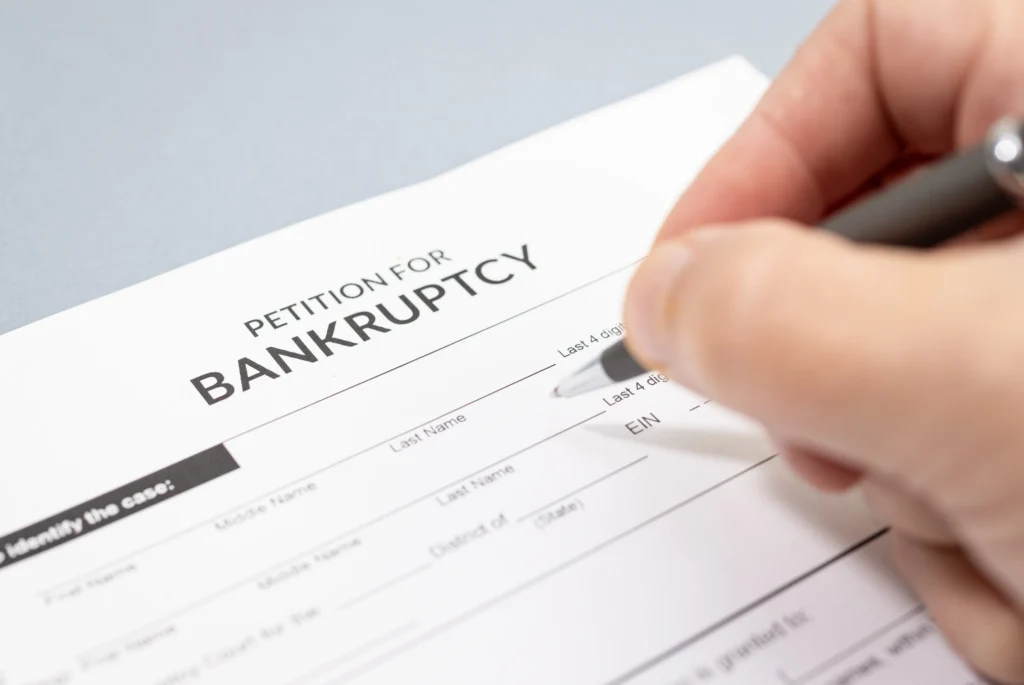
If you are facing foreclosure in South Carolina and want to save your home, Chapter 13 bankruptcy may provide a valuable tool to stop foreclosure and allow you to keep your house.
Through a Chapter 13 bankruptcy, you can stop foreclosure, pay off back-owed payments on your mortgage over a three to five-year period, and potentially treat second mortgages, equity lines and judgment liens with lower payments. While advice from a bankruptcy attorney is recommended for a full understanding of any potential case, I’m providing a general overview of the process for affected homeowners to seek relief.
The Automatic Stay
When a consumer files bankruptcy, “automatic stay” immediately becomes effective. The automatic stay prohibits creditors from making any collection efforts against the individual filing bankruptcy – this includes a mortgage company foreclosing on a debtor, meaning a bank can be stopped from filing or proceeding with a foreclosure or imminent sale of a house. While not advisable from a planning perspective, a bankruptcy could theoretically be filed the minute before a foreclosure sale and stop the sale of a property.
The automatic stay is effective until a motion from stay is granted, or unless it expires early due to a previous filing by a debtor. Again, when and how the automatic stay might be affected is a case-by-case determination, but generally, if you file a Chapter 13 plan proposing to make payments to your creditors and that plan in confirmed, the stay will remain in effect as long as you are making all required payments.
For illustration purposes only, imagine a South Carolina couple who was faced with a temporary drop in income due to a job loss, and they are $10,000.00 behind on their mortgage. While the mortgage company is likely demanding that amount be paid all in one lump sum to stop a foreclosure, a bankruptcy allows the couple to pay this amount over a three to five year-period as part of their bankruptcy plan payment, along with their regular monthly mortgage payment. By spreading out the payments over a longer period of time, the chances of success and retention of the house are potentially greatly increased, and may be a better option than attempting to pay a large sum at once that many individuals simply do not have access to.
Can I Afford to Keep My Home in a Chapter 13?
“Feasibility” is the word in determining whether a consumer can afford the payment necessary to maintain a Chapter 13 plan. Feasibility means simply whether you have enough income to support the payment you are proposing to make.
Income is the easier of the two figures to calculate. The bankruptcy schedules will ask for your monthly income from all sources, including wages, benefits, social security, contributing household members, and will also have you disclose your monthly expenses, including mortgage payment, food, gas, utilities and other regular expenditures.
Calculating the required payment in a chapter 13 plan is more complex, but ultimately it consists of the payment off all required obligations, including back-owed payments (or “arrearage”) for your mortgage. In order for a plan to be “feasible” and able to be confirmed by the bankruptcy court, your available income has to exceed the monthly payment you are proposing to make through your bankruptcy plan.
Judgent Liens and Second/Third Mortgages and Equity Lines in Chapter 13
If you have a second mortgage, equity line or judgment lien on your residence, you may be able to pay less than the full amount of those secured loans and judgments through a Chapter 13 bankruptcy.
This can happen happen when the mortgage or judgment is not secured by your equity in the property. For these obligations to not be “secured by equity” on the property means that the value of all prior liens on the property with priority are valued higher than the value of the property.
To best illustrate it, think of having a house worth $100,000.00 which has a mortgage and an equity line. If the mortgage balance is $125,000.00, then the owner does not have any equity in the property, and the equity lien is no longer secured by equity. The equity lien could be paid as unsecured, and could possibly be paid less than the full value through a chapter 13 plan.
If you are facing foreclosure, you should seek advice immediately about the options you have.



 office@hartconsumerlaw.com
  107 Sunbelt Court Suite 3, Greer, SC 29650